
Ten steps. Every project.
- 01
Enquiry and consultation
We discuss your objectives, timeline and budget, and agree what the project needs to achieve.
- 02
Site survey and assessment
Our engineers inspect the site, existing supply and loads, and identify technical and safety considerations.
- 03
Engineering and design
We prepare load calculations, single-line diagrams, protection settings, drawings and specifications.
- 04
Proposal and contract
You receive a clear technical proposal, bill of quantities and programme, and we agree the contract.
- 05
Approvals and permits
We prepare and submit the applications, wayleaves and approvals required by the utility and the authorities.
- 06
Procurement
We source equipment and materials to specification, with factory acceptance testing where required.
- 07
Construction and installation
Our teams carry out the works under a site-specific safety plan and quality checklist.
- 08
Testing and commissioning
Insulation, earth resistance, protection and functional tests verify the installation before it is energised.
- 09
Handover and documentation
We hand over as-built drawings, test certificates, manuals and training for your team.
- 10
Maintenance and support
Planned maintenance, periodic testing and fault response keep the system safe and reliable.
One accountable team, from kick-off to close-out.
Every DESWA project is run by a named project lead who controls programme, cost, quality and safety, and keeps you informed at every stage.
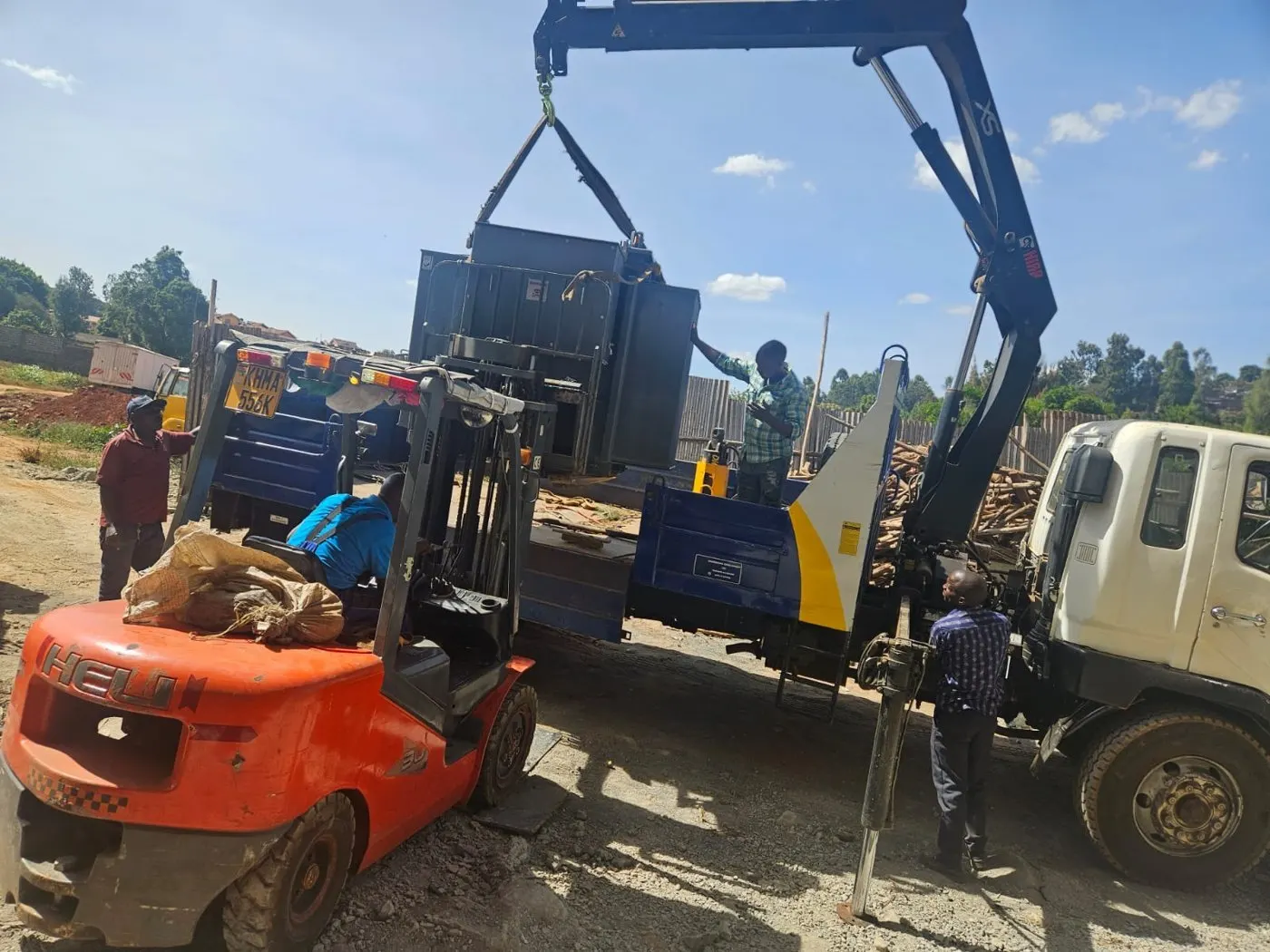
Dedicated project lead
Each project has a named engineer responsible for programme, cost, quality and safety, and your single point of contact.
Planning and programme control
Work breakdown, programme and resource planning agreed up front, then tracked against milestones.
Progress reporting
Regular site reports with photographs, progress against programme and any issues that need your decision.
Cost and change control
Bills of quantities, variation approval before extra work and transparent valuations.
Risk management
Risks to safety, programme and budget are identified early, with clear owners and mitigations.
Close-out
Snag lists, completion certificates and a complete handover file at the end of every job.
Modern tools for better engineering.
Engineering design software
Computer-aided drawings, single-line diagrams and load and voltage-drop calculations for accurate designs.
Digital testing instruments
Insulation resistance, earth resistance, loop impedance and power quality testing with recorded results.
Solar and storage
Grid-tied, hybrid and off-grid solar PV with modern inverters and battery storage.
Smart lighting and controls
LED and solar street lighting with photocell and timer control to cut energy use.
Remote monitoring
Inverter, meter and generator monitoring so faults are spotted early.
Digital site reporting
Photo-based progress and inspection reports shared with clients throughout the project.
Planning a power or electrical project?
Tell us what you need and our engineers will arrange a site survey.